
Planning A Garage And Attic Cleanout: A Two-Zone Checklist
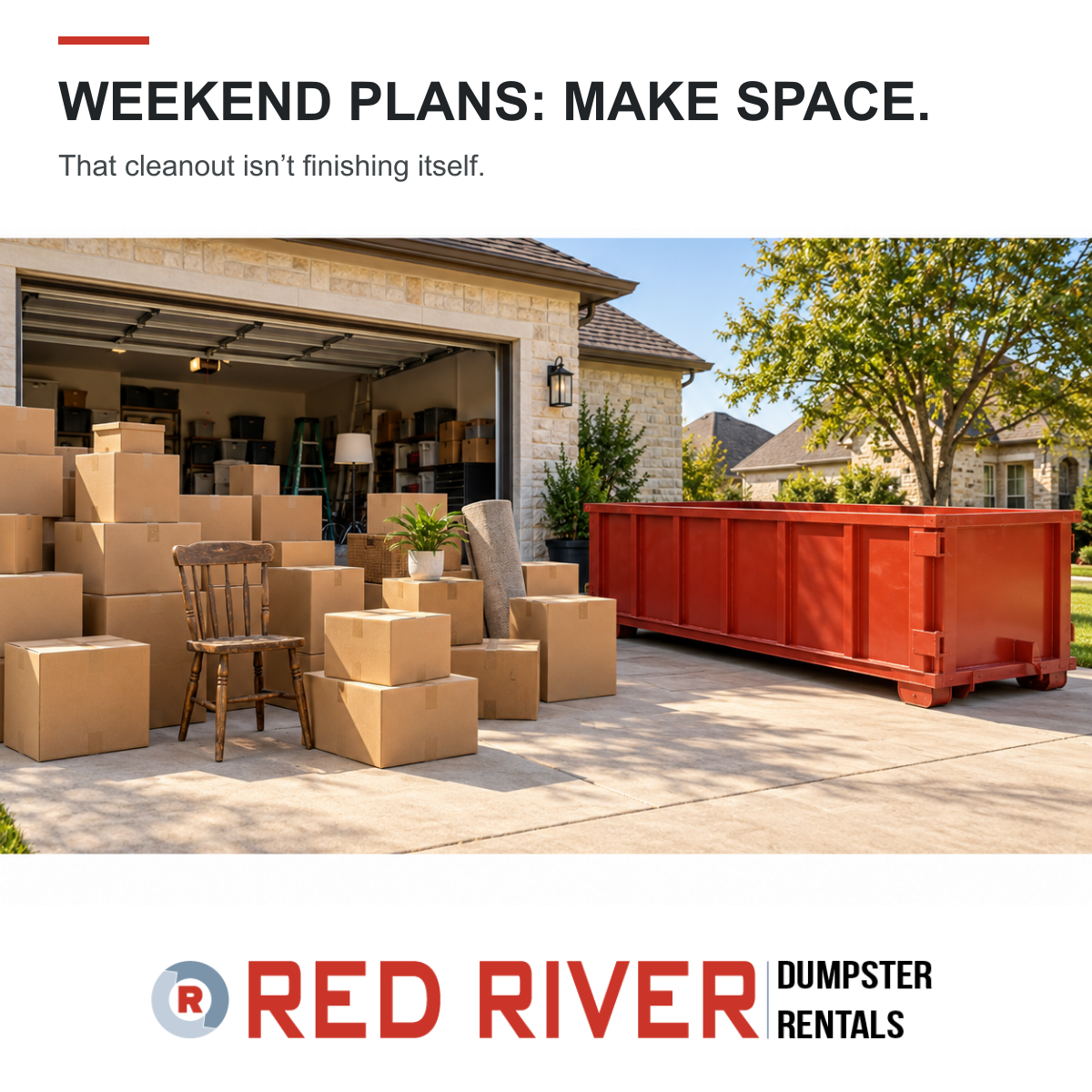
A garage and an attic are two different cleanout zones. The garage may hold large items and a mix of materials; the attic often takes more time to sort and move. Before asking for a dumpster quote, make a room-by-room plan that describes what you intend to remove, what you will keep, and what still needs a material check. A clear list helps you discuss the right container and schedule for the actual job.
List bulky pieces, loose piles and items that need a separate answer.
Sort what stays, identify what comes down and plan a clear route out.
Start With Two Inventories, Not One Guess
Walk each space before estimating the load. For the garage, group items by broad type, such as shelving, boxes, broken fixtures and project leftovers. In the attic, mark what is being kept, donated or removed so those decisions are not made while someone is carrying an item down. Photograph representative piles for your own planning, but avoid sharing private labels, documents or family details.
Write down what is visible and what remains uncertain. A stack of closed boxes may be lighter or heavier than it looks; a few dense items can change a quote even when they occupy little space. Our weight versus size guide explains why the volume number and the loaded weight are separate questions.
Separate Questionable Items Before You Load
A cleanout often uncovers things the homeowner did not expect. Keep items with unclear handling requirements out of the planned dumpster pile until Red River confirms whether and how they can be handled for your specific job. Do not assume that something belongs in the container because it came from a garage or attic. Tell us about unusual, dense or bulky material before choosing a size; this article is not an accepted-material list.
If you are also sorting items for donation, resale or another disposal route, label those groups clearly. That simple step reduces the chance of placing something in the wrong pile. The U.S. EPA’s waste-reduction guide offers general ideas for reuse and recycling; local options and Red River’s job-specific acceptance must be checked separately.
Plan The Route From Each Space To The Container
Before delivery, identify the proposed container spot and the path from the garage and attic exits. Note stairs, narrow doors, parked vehicles and other obstacles that could slow the move. Keep the route usable for the people doing the work. Share photos of the proposed placement and driveway with Red River so the delivery conversation starts with the actual property. Our driveway preparation guide lists the information to gather without promising a particular placement.
If the cleanout is part of a move or remodel, consider when items will be sorted, when the container is needed and who can answer a delivery question. Our moving cleanout plan can help organize those decisions. Confirm timing and access for the actual job rather than assuming an open date.
Use A Debris Brief To Compare Your Options
Once both inventories are clear, combine them into a short brief for the quote: project address, main material groups, estimated pile sizes, unusually heavy or bulky pieces, proposed placement, and the dates under consideration. Ask what the quoted container size, rental period, included weight, delivery and pickup cover for this specific project. Ask how a changed debris mix or extra time would be handled. Our pricing guide is a shareable explanation of the questions behind a quote; it does not publish a universal rate or promise that every condition is included.
A garage and attic cleanout may fit one plan, or it may be easier to work in stages. Your inventory helps Red River discuss that choice. The dimensions guide helps you compare physical sizes, but measurements alone do not settle the material or weight discussion.
A Five-Point Cleanout Checklist
- Make separate garage and attic inventories, with an “unknown” group for unopened areas.
- Set aside items whose handling or acceptance must be confirmed.
- Sketch the carrying route and photograph the proposed container location.
- Share the debris brief and discuss size, weight, included services and timing in the actual quote.
- Keep one person available to confirm placement or changed project details.
Check the service areas as a starting point; Red River confirms the address and availability for the actual job. Call or Text Now: 903-328-8847, send a text, or request a dumpster quote. A quote request does not reserve a container or confirm a delivery date.